新書推薦:
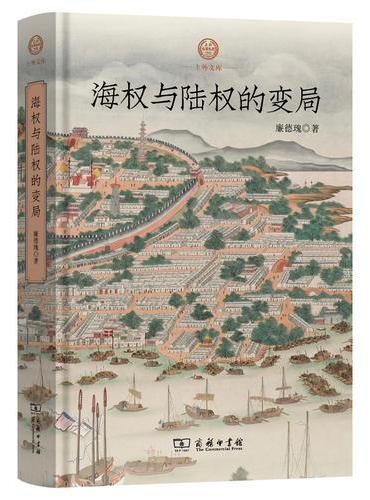
《
海权与陆权的变局
》
售價:HK$
107.8
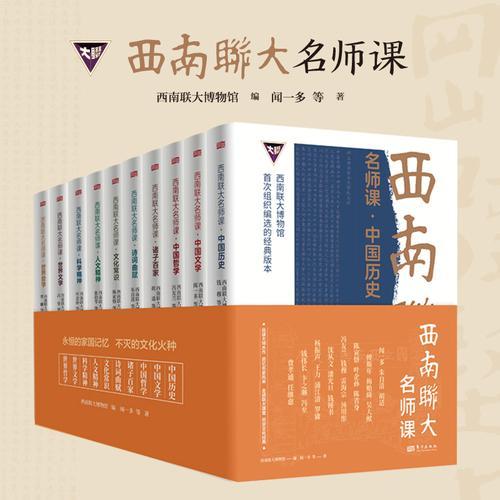
《
《西南联大名师课(全10册)》中国历史·中国文学·中国哲学·诸子百家·诗词曲赋·文化常识·人文精神·
》
售價:HK$
657.8

《
天命无常:五代十国 优酷人文·“梅毅说中国史”系列(全三册)
》
售價:HK$
151.8
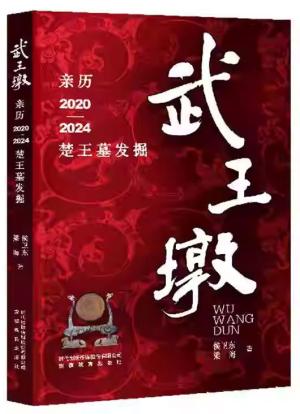
《
武王墩:亲历2020—2024楚王墓发掘
》
售價:HK$
96.8
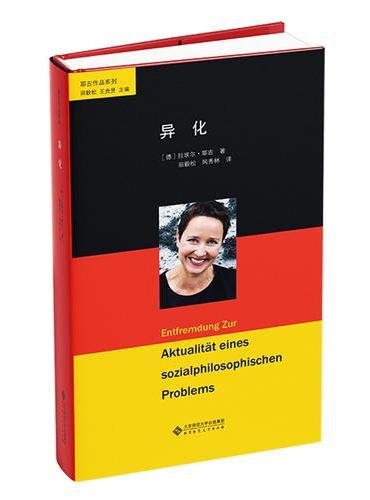
《
异化
》
售價:HK$
94.6

《
你的脆弱很正常
》
售價:HK$
60.0

《
鸟墙——康奈尔鸟类学实验室巨幅壁画诞生记
》
售價:HK$
195.8
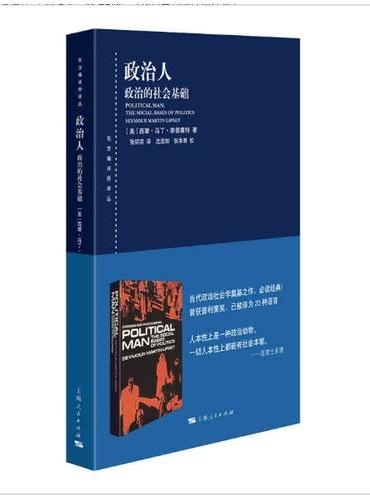
《
政治人--政治的社会基础(东方编译所译丛)
》
售價:HK$
129.8
|
| 內容簡介: |
|
本书综述了大量的词汇研究方法,对研究者如何实施效度和信度兼备的母语及二语词汇研究提出许多实用的建议。本书共四部分。第一部分回顾了之前的词汇研究并提出了在设计词汇研究时必须要考虑的一些关键问题。第二部分论述了词汇研究的基础,如词汇研究应包括哪些因素。同时,本部分还论述了词汇研究应关注的一个典型现象——公式语言。第三部分讨论了词汇研究的实施细则,如研究方法和研究对象的选择、研究结果的解读和汇报等;并对如何测量词汇进行了详尽阐述。最后一部分罗列介绍了大量的词汇研究资源,有研究工具、语料库、词汇表、网站、文献以及该研究领域的重量级代表人物及等。
|
| 目錄:
|
Preface
Acknowledgements
Quick Checklist Principal sections which discuss these issues
Part I Overview of Vocabulary Issues
1 Vocabulary Use and Acquisition
1.1 Ten key issues
1.2 Vocabulary and reading
1.3 A sample of prominent knowledge gaps in the field of
vocabulary studies
Part 2 Foundations of Vocabulary Research
2 Issues of VocabularyAcquisition and Use
2.1 Form-meaning relationships
2.2 Meaning
2.3 Intrinsic difficulty
2.4 Network connections associations
2.5 Frequency
2.6 L 1 influence on vocabulary learning
2.7 Describing different types of vocabulary
2.8 Receptive and productive mastery
2.9 Vocabulary learning strategiesself-regulating behavior
2.10 Computer simulations of vocabulary
2.11 Psycholinguisticneurolinguistic research
3 Formulaie Language
3.1 Identification
3.2 Strength of association--hypothesis tests
3.3 Strength of association--mutual information
3.4 A directional measure of collocation
3.5 Formulaic language with open slots
3.6 Processing formulaic language
3.7 Acquisition of formulaic language
3.8 The psycholinguiStic reality of corpus-extracted
formulaic sequences
3.9 Nonnative use of formulaic language
Part 3 Researching Vocabulary
4 Issues in Research Methodology
4.1 Qualitative research
4.2 Participants
4.3 The need for multiple measures of vocabulary
4.4 The need for longitudinal studies and delayed posttests
4.5 Selection of target lexical items
4.6 Sample size of lexical items
4.7 Interpreting and reporting results
5 Measuring Vocabulary
5.1 Global measurement issues
5.2 Measuring vocabulary size
5.3 Measuring the qualitydepthofvocabulary knowledge
5.4 Measuring automaticity/speed of processing
5.5 Measuring organization
5.6 Measuring attrition atld degrees ofresidual lexical retention
6 Example Research Projects
Part 4 Resources
7 Vocabulary Resources
7.1 Instruments
7.2 Corpora
7.3 Concordancers/tools
7.4 Vocabulary lists ·
7.5 Websites
7.6 Bibliographies
7.7 Important personalities in the field ofvocabulary studies
……
Note
References
Index
|
|

 購物車/收銀台(0) | 在線留言板
| 付款方式
| 運費計算
| 聯絡我們
| 幫助中心 |
加入書簽
購物車/收銀台(0) | 在線留言板
| 付款方式
| 運費計算
| 聯絡我們
| 幫助中心 |
加入書簽 HOME
HOME 新書上架
新書上架 暢銷書架
暢銷書架









